
How to Care at Home for Someone Living with Dementia
Caring for someone living with dementia at home is one of the most meaningful — and most challenging — journeys a family can undertake. The decision to provide care at home reflects deep love and commitment. But it also comes with real questions, real difficulties, and a need for practical knowledge and support.
At Caremark Harlow & Epping Forest, we have supported hundreds of families through this journey. In this guide, we share everything you need to know about providing compassionate, effective dementia care at home — from understanding the condition and creating a safe environment, to managing daily routines, communication, and knowing when to seek professional support.
You are not alone. With the right knowledge, support, and care in place, your loved one can live a fulfilling, dignified life at home.
Understanding Dementia
Dementia is not a single disease — it is an umbrella term for a group of conditions that affect memory, thinking, behaviour, and the ability to perform everyday tasks. The most common forms include:
- Alzheimer’s disease — the most prevalent form, affecting memory, language and problem-solving
- Vascular dementia — caused by reduced blood flow to the brain, often following a stroke
- Lewy body dementia — characterised by visual hallucinations and movement difficulties
- Frontotemporal dementia — affecting personality, behaviour and language
Dementia is progressive, meaning symptoms worsen over time. However, the rate of progression varies significantly between individuals. Understanding the stage your loved one is at will help you provide the most appropriate care.
Early Stage
In the early stages, a person may experience mild memory lapses, difficulty finding words, and some confusion with familiar tasks. They may still be largely independent but benefit from gentle support and routine.
Middle Stage
As dementia progresses, memory loss becomes more significant. The person may have difficulty recognising familiar faces, experience mood changes, and require help with personal care and daily activities.
Later Stage
In the later stages, the person may require full-time care. They may lose the ability to communicate verbally and become increasingly dependent for all aspects of daily living. Comfort, dignity and emotional connection become the central focus of care.
Creating a Safe Home Environment
Safety is the foundation of good dementia care at home. As dementia progresses, everyday hazards can become significant risks. Making thoughtful modifications to the home environment can greatly reduce accidents and anxiety.
General Safety
- Remove trip hazards such as loose rugs, cables, and clutter from walkways
- Install grab rails in bathrooms, hallways and on staircases
- Ensure adequate lighting throughout the home, especially at night
- Fit door alarms or GPS trackers to prevent wandering
- Store medications, cleaning products and sharp objects securely
- Use stove knob covers or automatic shut-off devices in the kitchen
Creating a Calming Environment
People living with dementia are highly sensitive to their environment. A calm, familiar and well-organised home reduces confusion and agitation.
- Maintain a consistent layout — avoid moving furniture unnecessarily
- Use contrasting colours to help distinguish objects (e.g. a brightly coloured toilet seat)
- Reduce background noise from televisions or radios during key activities
- Display meaningful photographs and familiar objects to aid orientation
- Use large-print clocks, calendars and labels on cupboards and doors
Tip: Place a large whiteboard in a visible location showing today’s date, the day’s plan, and key reminders. This simple step can significantly reduce anxiety and repetitive questioning.
Establishing a Daily Routine
Routine is one of the most powerful tools in dementia care. A predictable, structured day helps reduce confusion, anxiety and challenging behaviour — while giving your loved one a sense of security and purpose.
Key Principles of a Good Routine
- Keep waking, mealtimes and bedtimes consistent every day
- Build familiar, enjoyable activities into the daily schedule
- Allow plenty of time for each activity — never rush
- Plan demanding tasks (such as bathing) at the time of day when energy is highest
- Include gentle physical activity such as a short walk or light stretching
- Create a calm wind-down routine in the evening to support better sleep
Sample Daily Routine
- Morning — wake up, personal hygiene, breakfast, short walk or garden time
- Mid-morning — meaningful activity: music, reminiscence, gentle exercise
- Lunchtime — main meal, followed by rest or quiet time
- Afternoon — social activity, hobby, or visit from a familiar carer or family member
- Evening — light meal, favourite television programme, familiar bedtime routine
Consistency is key. Even on difficult days, try to maintain the core structure of the routine.
Communication Tips
Communication can become increasingly challenging as dementia progresses. Words may be harder to find, sentences may become confused, and non-verbal communication becomes more important. With patience and the right approach, meaningful connection remains possible throughout the dementia journey.
How to Communicate Effectively
- Approach from the front — always ensure you are visible before speaking
- Speak slowly, clearly and in short, simple sentences
- Use their name to gain attention before asking questions
- Ask one question at a time and allow plenty of time for a response
- Avoid correcting or arguing — enter their reality with compassion
- Use positive, affirming language — focus on what they can do, not what they cannot
- Use non-verbal cues — a warm smile, gentle touch and eye contact communicate love
- If they are distressed, redirect attention to a pleasant activity or topic
Remember: Even when verbal communication is lost, emotional connection endures. Your loved one may not always know your name — but they will feel your love and warmth.
Meaningful Activities and Wellbeing
Meaningful activity is not just about keeping someone occupied — it is essential for cognitive stimulation, emotional wellbeing and quality of life. Activities should be tailored to the individual’s history, interests, abilities and current stage of dementia.
Ideas for Meaningful Activities
- Music and singing — familiar songs can spark powerful memories and lift mood
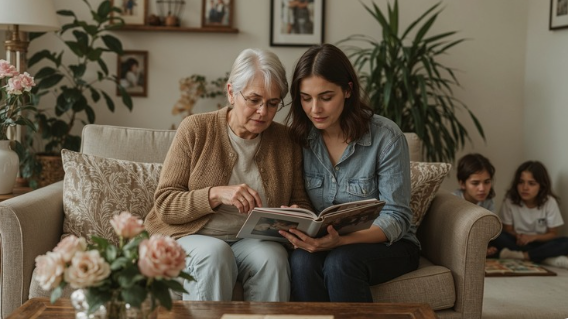
- Looking through photo albums — reminiscence brings comfort and connection
- Gentle gardening — planting, watering or simply sitting in the garden
- Cooking simple, familiar recipes together
- Arts and crafts — painting, colouring or knitting
- Puzzles and simple games adapted to ability
- Reading favourite books or poetry aloud
- Gentle exercises, stretching or seated yoga
- Pets and animal therapy — interacting with animals reduces anxiety and increases joy
The goal is not perfection — it is connection, enjoyment and a sense of purpose. Focus on the moment, not the outcome.
Managing Challenging Behaviours
Challenging behaviours — such as agitation, aggression, wandering, or repetitive questioning — are a common part of dementia. They are nearly always a form of communication, expressing an unmet need such as pain, fear, loneliness, or disorientation.
Repetitive Questions
Try not to show frustration. Respond calmly each time, then gently redirect to an activity. Ask yourself: what need might this question be expressing?
Agitation and Restlessness
Identify possible triggers — hunger, pain, overstimulation, fatigue. Offer comfort, reduce noise, and try a familiar calming activity such as music or gentle movement.
Wandering
Ensure the home is secure with door alarms. Maintain a regular exercise routine to reduce restlessness. Consider a GPS tracker or ID bracelet.
Sleep Disturbances
Maintain a consistent sleep routine. Increase daytime activity and natural light exposure. Limit caffeine in the afternoon and evening.
Supporting the Carer — Looking After Yourself
Family carers often neglect their own needs entirely. This is understandable — but unsustainable. Carer burnout is real, and looking after yourself is not selfish — it is essential for the person you are caring for.
- Accept help when it is offered — you cannot do this alone
- Join a local carer support group — shared experience provides enormous comfort
- Take regular breaks — even short periods of respite make a significant difference
- Talk to your GP if you are struggling with anxiety, depression or exhaustion
- Set realistic expectations — you cannot provide perfect care every single day
- Celebrate small victories — they matter enormously
Respite care gives family carers the rest they deserve, safe in the knowledge that their loved one is receiving compassionate, professional care. At Caremark Harlow & Epping Forest, we offer flexible respite care packages tailored to your family’s needs.
When to Consider Professional Home Care
There is no fixed point at which professional home care becomes necessary — every family’s situation is different. However, there are signs that additional support may benefit both the person with dementia and the family carer.
Signs That Professional Support May Help
- Personal care tasks such as bathing and dressing are becoming unsafe or distressing
- Medication management is becoming unreliable or confusing
- The family carer is showing signs of exhaustion, stress or burnout
- The person with dementia is becoming increasingly isolated
- Safety concerns are increasing due to wandering, falls, or cooking accidents
- The person’s needs have progressed beyond what family care can safely provide
Professional home care does not mean giving up — it means ensuring your loved one receives the specialist support they deserve, while you continue to be the loving family member they need.
How Caremark Harlow & Epping Forest Can Help
At Caremark Harlow & Epping Forest, dementia care is not just one of our services — it is our speciality. Our team of specialist-trained carers provide compassionate, person-centred dementia care that enables your loved one to live safely, comfortably and with dignity in their own home.
Our Dementia Care Services Include:
- Personalised care plans tailored to each individual’s history and preferences
- Consistent carers who build genuine familiarity and trust
- Meaningful daily activities to stimulate memory and support wellbeing
- Personal care, medication support and daily living assistance
- Emotional support for both clients and their families
- Flexible care packages — from a few hours per week to full-time live-in care
- Respite care to support family carers
To find out how we can support your family, please contact us today. We are always here to listen, advise, and help.
📞 01279 210123 🌐 homecare-harlow-and-epping-forest.co.uk
Caremark Harlow & Epping Forest — The Mark of Excellent Care